

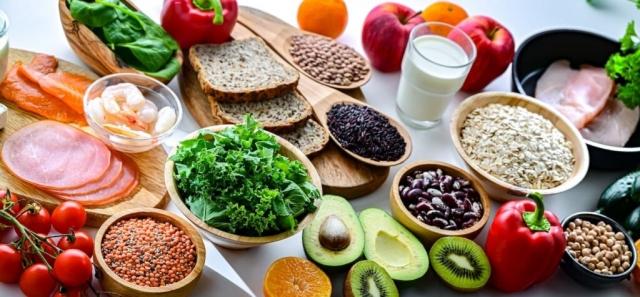
What foods strengthen bones and joints most effectively?
Foods that strengthen bones and joints supply calcium, vitamin D, magnesium, omega-3 fats, collagen, protein, and antioxidants. These nutrients support bone formation, reduce cartilage stress, and regulate inflammation that affects joint movement. The ten foods below appear consistently in orthopedic recommendations.
1. Why do orthopedic surgeons recommend fatty fish?
Fatty fish supports joint health because omega-3 fatty acids reduce inflammatory activity in soft tissues. Salmon, sardines, trout, and mackerel often provide 1.5–2.5 g EPA and DHA per serving. Lower inflammation improves mobility and reduces morning joint stiffness.
2. How does dairy support bone density?
Dairy supports bone density because it delivers calcium, high-quality protein, and phosphorus. A typical cup of milk or yogurt contains about 300 mg calcium. Your body uses this mineral to maintain bone mass and reduce age-related bone thinning.
3. Why do leafy greens matter for bone metabolism?
Leafy greens strengthen bones through vitamin K1, calcium, and magnesium. Kale, collard greens, and spinach support bone matrix formation and help regulate bone turnover rates. Magnesium improves bone mineral quality and supports enzyme activity in bone tissue.
4. How do fortified foods improve bone health?
Fortified foods help stabilize vitamin D levels, which influence calcium absorption and bone mineralization. Fortified milk, fortified cereals, and fortified plant milks support individuals who receive limited sunlight. Adequate vitamin D reduces fracture risk across age groups.
5. Why do orthopedic specialists highlight nuts and seeds?
Nuts and seeds support joint protection because they provide magnesium, plant-based omega-3s, and vitamin E. Almonds, walnuts, chia seeds, and flaxseeds help regulate inflammation and oxidative stress around cartilage and ligaments.
6. How do soy products support skeletal strength?
Soy products strengthen bones due to their calcium content, protein density, and isoflavones. Tofu prepared with calcium sulfate can deliver over 200 mg calcium per serving. Protein improves muscle stability around joints, reducing excessive joint load.
7. Why is bone broth recommended for joint repair?
Bone broth supports joint repair because it contains collagen peptides, glycine, and proline. These amino acids help maintain cartilage resilience and support connective tissue structure in weight-bearing joints.
8. How do citrus fruits strengthen joints?
Citrus fruits strengthen joints by supporting collagen synthesis through vitamin C. Oranges, lemons, limes, and grapefruit help protect tendons, ligaments, and cartilage from oxidative stress. Vitamin C plays a structural role in connective tissue formation.
9. Why do whole grains support bone and joint health?
Whole grains assist bone and joint systems because they supply magnesium, fiber, and slow-release carbohydrates. Magnesium regulates bone cell activity, and fiber supports metabolic stability that influences systemic inflammation.
10. How do eggs contribute to bone strength?
Eggs support bone strength because egg yolks contain vitamin D and complete protein. The protein content helps build muscle around joints, while vitamin D contributes to calcium absorption and bone mineral quality.
What does Dr. Mufaddal M. Gombera, MD, emphasize about nutrition for bone and joint health?
Dr. Mufaddal M. Gombera, MD — an orthopedic surgeon trained at Baylor College of Medicine, the University of Michigan, and Northwestern University — explains that nutrition directly affects bone remodeling, cartilage hydration, and injury recovery capacity. His clinical work in sports medicine shows that patients with stable vitamin D, calcium, and omega-3 intake maintain better joint function under physical stress and experience more predictable recovery patterns after injury.
How do these foods work together to support orthopedic health?
These foods support orthopedic health by targeting multiple biological pathways. Calcium strengthens bone tissue. Omega-3 fats regulate inflammatory responses. Collagen-rich foods support cartilage integrity. Antioxidants protect joint cells from oxidative damage. A varied diet stabilizes these mechanisms across the musculoskeletal system.
What habits increase the benefits of bone-supportive foods?
Habits that improve nutrient absorption and utilization include:
-
pairing calcium-rich foods with vitamin D
-
maintaining daily protein intake
-
eating antioxidant-rich plants
-
staying active to stimulate bone remodeling
-
hydrating to support cartilage lubrication
These habits increase the overall impact of bone- and joint-supportive nutrients.
When should someone adjust their diet for joint pain or bone loss?
You should adjust your diet when persistent joint swelling, stiffness, or reduced mobility appears for more than two weeks. Older adults, athletes, and individuals with low vitamin D status benefit from higher calcium and omega-3 intake. An orthopedic evaluation supports early detection of bone or cartilage changes.