

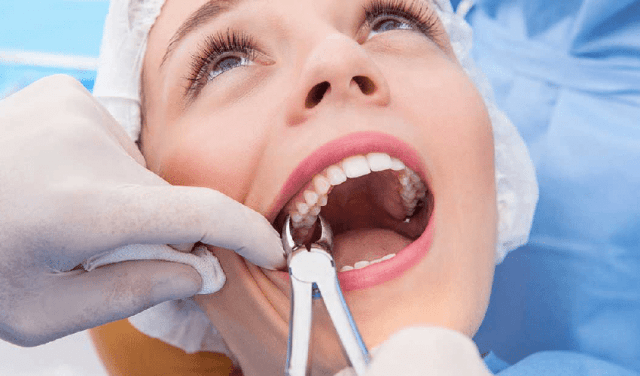
Smoking after a tooth extraction increases the risk of complications. Dentists recommend waiting at least 72 hours, and ideally 5–7 days, before smoking. This waiting period protects the blood clot that forms in the extraction site and supports proper healing.
Below, you'll read exactly why smoking is risky after an extraction, what happens if you smoke too soon, how different timelines affect healing, and what safer alternatives exist during recovery.
Why Smoking After a Tooth Extraction Is a Problem
Smoking interferes with oral wound healing through mechanical, chemical, and vascular effects.
-
Suction pressure from inhaling can dislodge the blood clot.
-
Nicotine constricts blood vessels, reducing oxygen delivery.
-
Heat and toxins irritate exposed bone and soft tissue.
The blood clot acts as a natural barrier. When it breaks down or falls out, healing slows and pain increases.
What Is Dry Socket and Why Does Smoking Cause It?
Dry socket, or alveolar osteitis, occurs when the blood clot fails to remain in place.
-
Bone and nerve endings become exposed.
-
Pain intensifies 2–4 days after extraction.
-
Healing time extends by one to two weeks.
Clinical studies show smokers are 2–3 times more likely to develop dry socket than non-smokers, especially after lower molar or wisdom tooth extractions.
How Long Should You Wait to Smoke After a Tooth Extraction?
Minimum Waiting Time: 72 Hours
Most dentists agree that 72 hours is the absolute minimum before smoking. During this time:
-
The clot stabilizes.
-
Initial tissue repair begins.
-
Inflammation peaks and starts to decline.
Smoking before this point significantly increases dry socket risk.
Preferred Waiting Time: 5–7 Days
Waiting 5 to 7 days offers better protection because:
-
Soft tissue seals the extraction site.
-
Clot integration strengthens.
-
Pain and swelling decrease naturally.
For surgical extractions or wisdom teeth removal, waiting 7–10 days is safer.
Does the Type of Extraction Change the Timeline?
Yes. Healing time depends on extraction complexity.
-
Simple extraction: 3–5 days minimum.
-
Surgical extraction: 7–10 days.
-
Impacted wisdom tooth: up to 14 days.
The more trauma to the bone and gum, the longer smoking should be avoided.
What Happens If You Smoke Too Soon?
Smoking early after extraction often leads to:
-
Throbbing pain that radiates to the ear or jaw.
-
Foul taste or odor from the socket.
-
Delayed gum closure.
-
Increased infection risk.
Antibiotics and medicated dressings may be required if complications develop.
Is Vaping Safer Than Smoking After a Tooth Extraction?
Vaping is not safe during early healing.
-
Inhalation still creates suction.
-
Nicotine still restricts blood flow.
-
Heated aerosols irritate healing tissue.
While vaping lacks combustion products, it does not eliminate dry socket risk.
What About Nicotine Patches or Gum?
Nicotine replacement options without suction are less harmful.
-
Nicotine patches avoid oral exposure.
-
Nicotine lozenges should be used cautiously and kept away from the extraction site.
Always confirm with your dentist before using any nicotine product post-extraction.
Signs You Should Not Smoke Yet
Avoid smoking if you notice:
-
Persistent bleeding.
-
Increasing pain after day two.
-
Visible bone in the socket.
-
Swelling that worsens instead of improves.
These signs indicate incomplete healing.
How to Reduce Risk If You Decide to Smoke
Dentists do not recommend smoking during recovery, but harm reduction steps include:
-
Waiting at least 72 hours.
-
Avoiding deep inhalation.
-
Keeping smoke away from the extraction side.
-
Rinsing gently with saltwater afterward.
These steps reduce, but do not eliminate, risk.
How Long Does Healing Take After a Tooth Extraction?
Typical healing stages:
-
24–48 hours: clot formation and inflammation.
-
3–7 days: gum tissue closure.
-
2–3 weeks: bone remodeling begins.
-
6–8 weeks: deeper bone healing.
Smoking interferes most during the first week.
Expert Insight from a Houston Dentist
Dr. Ammar Nalwala, DDS, owner and lead dentist at Family Kare Dental of Cinco Ranch, emphasizes that smoking-related complications are among the most preventable causes of post-extraction pain. With extensive experience treating patients across Houston since 2018, Dr. Nalwala notes that even short-term smoking cessation significantly improves healing outcomes, especially when combined with good oral hygiene and follow-up care.
When Is It Fully Safe to Resume Smoking?
“Fully safe” depends on healing progress, but general guidance is:
-
Low risk: after 7 days for simple extractions.
-
Moderate risk: after 10–14 days for surgical cases.
-
Minimal risk: once the gum tissue fully covers the site.
A follow-up dental exam provides the most accurate clearance.
Key Takeaways for Smokers After Tooth Extraction
-
Wait at least 72 hours, preferably 5–7 days.
-
Smoking dramatically increases dry socket risk.
-
Vaping carries similar risks.
-
Nicotine patches are safer alternatives.
-
Longer waiting periods support faster, less painful healing.
Protecting the extraction site during the first week reduces complications and shortens recovery time.