

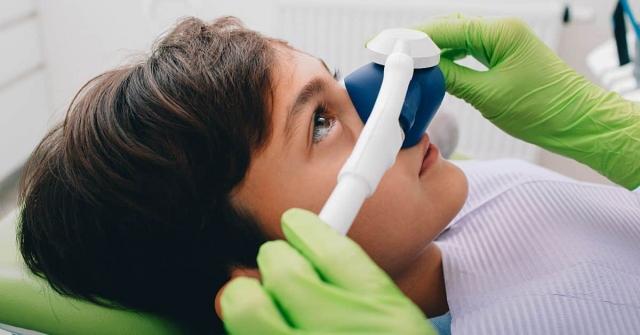
Dental anxiety prevents many people from getting the care they need. Sedation dentistry helps ease that fear by creating a calm, pain-free experience. At iCare4Smiles of Piscataway, Dr. Ayesha Muzaffar uses modern sedation techniques to help patients regain confidence in dental visits.
What Causes Dental Fear in Patients?
Dental fear often stems from three main factors:
-
Past negative experiences – Painful or uncomfortable procedures can lead to long-term anxiety.
-
Fear of pain or needles – Many patients associate dental tools with discomfort.
-
Loss of control – Sitting in a dental chair without knowing what will happen can feel overwhelming.
According to research published in the Journal of Dental Research, around 36% of adults experience dental anxiety, while 12% suffer from severe dental phobia. This anxiety often results in delayed treatment, worsening oral health, and more complex dental problems later.
How Does Sedation Dentistry Work?
Sedation dentistry uses medication to help patients relax during treatment. It doesn't always mean total unconsciousness—most patients remain awake but calm. Sedation can be light, moderate, or deep depending on the procedure and patient needs.
The main types of dental sedation include:
| Sedation Type | Description | Common Use | Recovery Time |
|---|---|---|---|
| Nitrous Oxide (Laughing Gas) | Inhaled through a mask, creates light relaxation | Routine cleanings, fillings | Immediate |
| Oral Sedation | Taken as a pill before treatment | Moderate anxiety, long appointments | A few hours |
| IV Sedation | Delivered directly into the bloodstream | Complex or surgical procedures | A few hours |
| General Anesthesia | Complete unconsciousness under supervision | Extensive oral surgery | Several hours |
Each method is chosen based on the patient's medical history, anxiety level, and procedure type.
What Are the Benefits of Sedation Dentistry?
Sedation dentistry offers both physical and emotional relief. Its primary benefits include:
-
Elimination of pain perception: Local anesthesia paired with sedation blocks pain signals.
-
Reduced anxiety and stress: Calming medication relaxes muscles and slows heart rate.
-
Fewer appointments: Complex treatments can be completed in one visit due to patient cooperation.
-
Gag reflex control: Sedation minimizes reflex responses that often interfere with dental work.
-
Improved memory of the visit: Many patients recall little or nothing of the procedure, helping break the cycle of fear.
At iCare4Smiles of Piscataway, patients often report that sedation helped them overcome years of avoidance and fear.
How Sedation Builds Trust and Confidence
Sedation dentistry transforms the dental experience. When anxiety drops, patients are more likely to attend regular checkups, maintain oral hygiene, and address problems early. This consistent care leads to healthier teeth, gums, and improved overall wellness.
Dr. Ayesha Muzaffar, who is certified in nitrous oxide sedation, emphasizes the psychological aspect of care:
“When patients feel safe and understood, their entire perception of dentistry changes. Sedation is not just about comfort—it's about rebuilding trust between patient and provider.”
— Dr. Ayesha Muzaffar, iCare4Smiles of Piscataway
Her approach focuses on compassion, patient education, and individualized treatment plans that fit each person's comfort level.
Who Can Benefit Most from Sedation Dentistry?
Sedation dentistry suits patients who experience:
-
Severe dental anxiety or phobia
-
Previous traumatic dental experiences
-
Low pain threshold or sensitive gums
-
Difficulty staying still due to medical conditions
-
Need for multiple or lengthy procedures
Children and adults both benefit from sedation when traditional methods are not enough. Patients with special needs or mobility limitations often find sedation makes dental care more accessible and manageable.
Is Sedation Dentistry Safe?
Yes, when performed by trained professionals, sedation dentistry is safe. At iCare4Smiles of Piscataway, safety begins with a full medical evaluation before treatment. Dr. Muzaffar and her team monitor vital signs throughout the procedure using advanced technology.
Safety measures include:
-
Reviewing current medications and allergies
-
Continuous pulse and oxygen monitoring
-
Emergency preparedness protocols
-
Post-sedation recovery observation
Patients receive detailed instructions for care before and after sedation.
How Sedation Dentistry Supports Preventive Care
Avoiding the dentist due to fear often leads to untreated cavities, gum disease, and infections. Sedation helps break that pattern by making visits easier and more comfortable. Once patients experience pain-free dentistry, they are more motivated to maintain routine care.
Preventive benefits include:
-
Early detection of oral issues
-
Less need for invasive procedures
-
Improved oral and systemic health
-
Reduced long-term costs
By addressing fear through sedation, patients transition from reactive treatment to proactive care.
How Dr. Muzaffar Integrates Sedation in Patient-Centered Dentistry
Dr. Ayesha Muzaffar believes that exceptional dentistry begins with empathy. Her patient-centered model at iCare4Smiles focuses on understanding each person's emotional and physical comfort level.
Key principles in her sedation approach:
-
Personalized consultation – discussing fears, triggers, and expectations.
-
Gradual desensitization – introducing sedation slowly for anxious patients.
-
Education and transparency – explaining every step before the procedure.
-
Follow-up care – checking on patient comfort post-treatment.
Her extensive training, including over 600 hours of continuing education and certification in nitrous oxide sedation, ensures the safest and most effective patient care.
How to Prepare for a Sedation Dental Appointment
Preparation helps ensure a smooth experience. Patients are usually advised to:
-
Avoid food or drink several hours before the procedure (depending on sedation type).
-
Arrange transportation to and from the clinic.
-
Wear comfortable clothing.
-
Inform the dentist of all medications and medical conditions.
The dental team explains each step so patients feel informed and calm.
What Patients Say About Their Experience
Many patients at iCare4Smiles describe sedation dentistry as “life-changing.” Individuals who once avoided dental visits for years now schedule regular appointments without hesitation.
Typical feedback includes:
-
“I didn't feel a thing.”
-
“I finally stopped fearing the dentist.”
-
“The team treated me with genuine care and patience.”
These stories highlight how sedation dentistry does more than calm nerves—it restores confidence and encourages lifelong oral wellness.
Why Sedation Dentistry Represents the Future of Compassionate Care
Sedation dentistry aligns with a broader shift toward comfort-based, patient-first care. It bridges the gap between modern technology and emotional well-being. By addressing both fear and pain, it empowers people to take control of their oral health.
At iCare4Smiles of Piscataway, Dr. Ayesha Muzaffar continues to redefine dental comfort by combining advanced sedation techniques with genuine compassion, helping every patient leave the chair smiling with confidence.