

Maintaining oral health is essential for overall well-being, and new research continues to shape how dentists recommend daily care. A consistent, evidence-based routine prevents cavities, gum disease, and other dental complications while supporting systemic health.
What Is the Ideal Oral Hygiene Routine?
Dentists recommend a combination of brushing, flossing, and professional care. The core components include:
-
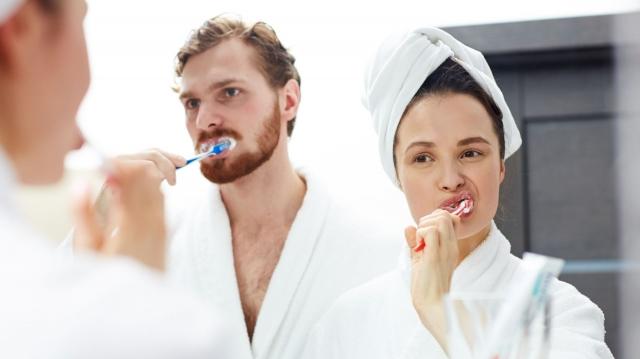
Brushing Twice Daily: Brushing for at least two minutes in the morning and before bed removes plaque, food particles, and bacteria. A soft-bristled toothbrush reduces enamel erosion and gum irritation.
-
Using Fluoride Toothpaste: Fluoride strengthens enamel, making teeth more resistant to decay. Experts advise applying a pea-sized amount for adults and a rice-grain-sized amount for children under six.
-
Flossing or Interdental Cleaning: Daily flossing removes plaque and debris between teeth where a toothbrush cannot reach. Water flossers offer an effective alternative for patients with braces or dental work.
-
Rinsing with an Antimicrobial Mouthwash: Mouthwash reduces oral bacteria and helps prevent gingivitis. Choosing alcohol-free options avoids oral dryness and irritation.
Timing and Technique Are Key
The sequence and technique of oral care matter. Brushing immediately after meals, especially acidic foods, can weaken enamel. Dentists recommend waiting 30 minutes to protect enamel. Circular, gentle strokes remove plaque without harming gums, while tilting the brush at a 45-degree angle ensures cleaning along the gumline.
Flossing should be done with a controlled motion, gently curving around each tooth. Avoid snapping or forcing floss, which can damage gums and cause bleeding.
Diet and Lifestyle Factors
Oral hygiene extends beyond brushing and flossing. Diet, hydration, and lifestyle significantly impact oral health:
-
Limit Sugary and Acidic Foods: Excess sugar feeds harmful bacteria, increasing cavity risk. Acidic beverages erode enamel over time.
-
Stay Hydrated: Water helps wash away food particles and maintains saliva flow, which naturally protects teeth.
-
Avoid Tobacco: Smoking and chewing tobacco stain teeth, increase gum disease risk, and raise oral cancer probability.
Regular Dental Checkups
Even with perfect home care, routine professional evaluations are vital. Dentists recommend visits every six months to detect early signs of decay, gum disease, or oral cancer. Cleanings remove hardened plaque and tartar that home care cannot address.
Dr. Harsh Patel DDS of Richmond Dental Care emphasizes that personalized guidance is crucial: “Every patient's oral environment is unique. Factors like diet, medical history, and oral anatomy determine how frequent and intensive care should be.”
Additional Steps for 2026
Modern dentistry emphasizes preventive care and technological integration:
-
Electric Toothbrushes: Evidence shows electric brushes with oscillating heads remove plaque more efficiently than manual brushes.
-
Digital Monitoring Tools: Smart toothbrushes and apps track brushing habits, improving adherence and technique.
-
Targeted Oral Products: Formulations now include remineralizing agents, probiotics, and sensitivity relief ingredients for customized care.
Special Considerations
Certain groups require tailored routines:
-
Children: Begin brushing as soon as the first tooth appears. Supervised brushing ensures effective technique.
-
Older Adults: Age-related gum recession and enamel thinning demand gentle brushing and fluoride treatments.
-
Patients with Braces or Implants: Interdental brushes, floss threaders, and specialized mouth rinses prevent plaque buildup around dental appliances.
Common Mistakes to Avoid
Even diligent brushing can fall short if common errors persist:
-
Brushing too hard, causing enamel and gum damage.
-
Skipping flossing, leaving hidden plaque.
-
Using worn-out toothbrushes, which reduce cleaning efficiency.
-
Over-relying on mouthwash as a substitute for brushing or flossing.
Expert Insight
Dr. Harsh Patel observes that preventive care reduces invasive procedures significantly. Patients who maintain proper daily hygiene experience fewer cavities, gum issues, and overall oral infections. Investing time in a structured routine minimizes future discomfort and dental costs.
Final Thoughts on Building Your Routine
The best oral hygiene routine combines effective brushing, flossing, mouth rinsing, and regular professional care. Adjustments based on diet, lifestyle, and individual oral conditions improve results. Staying informed about new oral care technologies and techniques ensures optimal protection for 2026 and beyond.